


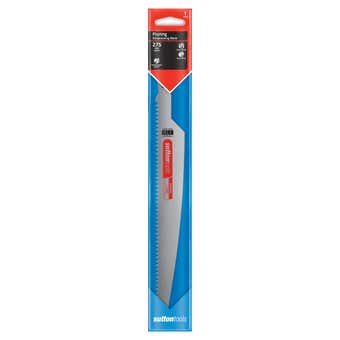
Get the Right Reciprocating Saw Blade for Every Job
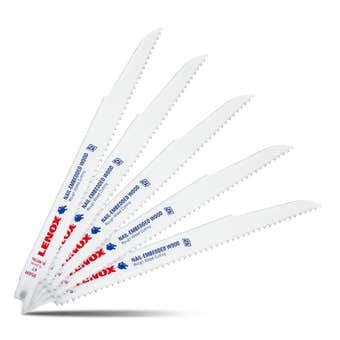
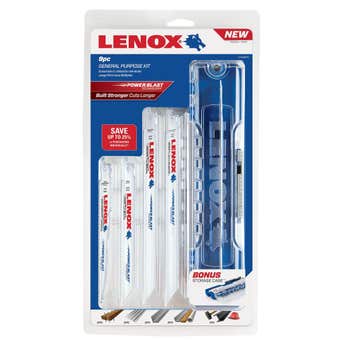
Our selection features trusted brands like Sutton Tools, Lenox, and Makita, offering blades tailored to specific materials and tasks. Wood-cutting blades with 5-10 teeth per inch (TPI) excel at slicing through timber, branches, and nail-embedded wood during demolition. Metal-cutting blades, with higher TPI (14-24), deliver smooth, precise cuts through pipes, sheet metal, and steel. Specialty blades for plastic, fibreglass, drywall, and composite materials are also available.
Blade length is crucial for performance. Shorter blades (100-150mm) provide better control for detailed tasks, while longer blades (200-300mm) are ideal for cutting thick materials like fence posts or large timbers. Most blades feature bi-metal construction, combining flexible steel backing with hardened teeth for durability and breakage resistance.
Carbide-tipped blades offer premium performance, lasting up to 50 times longer than standard bi-metal blades. These are ideal for cutting abrasive materials or handling demanding demolition jobs, making them a cost-effective choice for frequent users.
Frequently Asked Questions
What's the difference between wood and metal cutting blades?
Wood blades have fewer, larger teeth (5-10 TPI) for fast, aggressive cuts through timber and branches. Metal blades feature more teeth (14-24 TPI) for smoother, controlled cuts through pipes, sheet metal, and steel.
How do I choose the right blade length?
Match blade length to material thickness. Blades should extend at least 75mm beyond the material being cut. Shorter blades (100-150mm) suit detailed work, while longer blades (200-300mm) handle thick posts and beams.
Are carbide blades worth the extra cost?
For frequent demolition or cutting abrasive materials, yes. Carbide-tipped blades last significantly longer, reducing replacement needs and downtime on tough projects.