



Sanders for every project
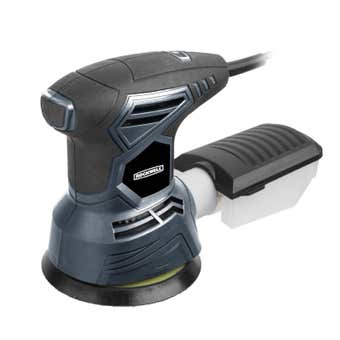
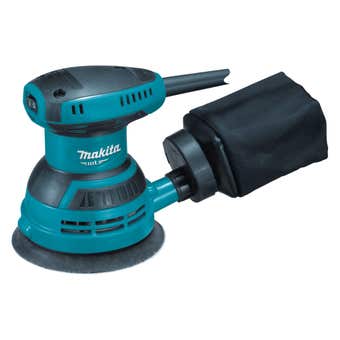
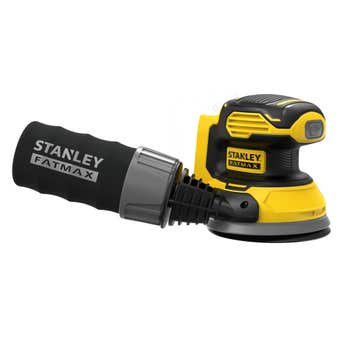
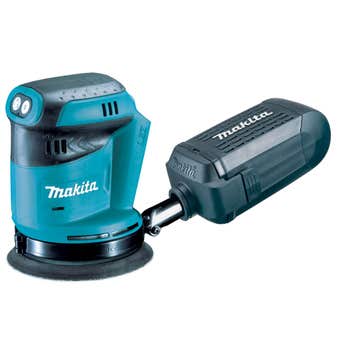
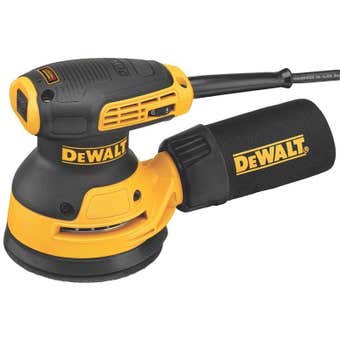
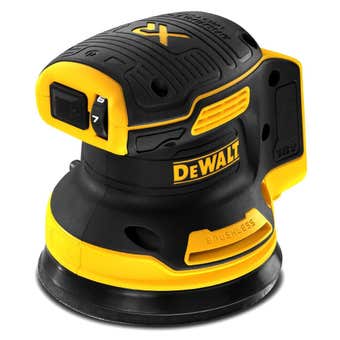
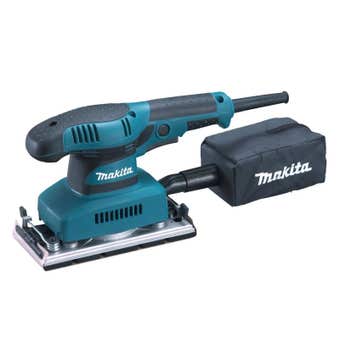
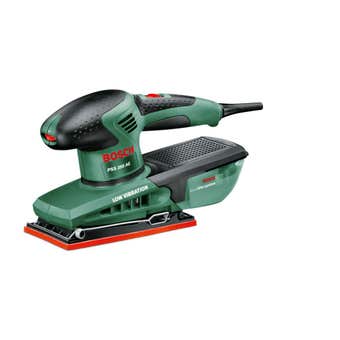
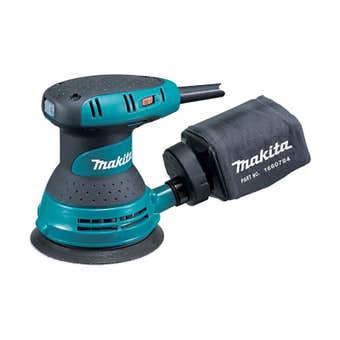
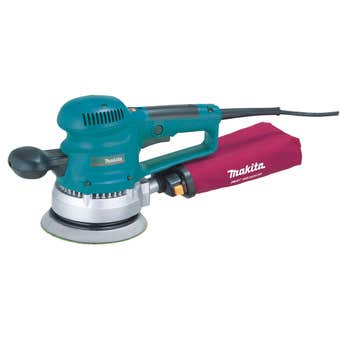
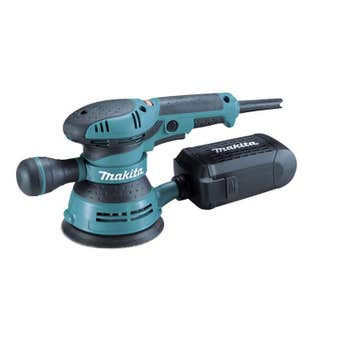
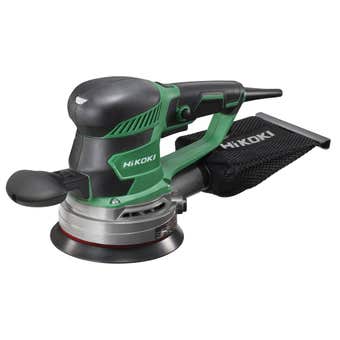
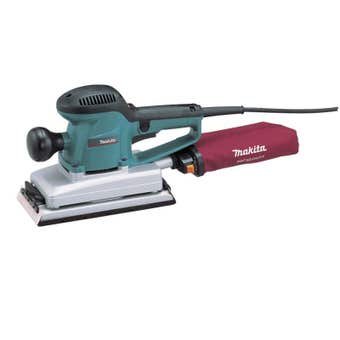
Your next home improvement project deserves Orbital Sanders that are built to last. Mitre 10 has you covered. We offer an extensive collection of Orbital Sanders from some of the most respected brands, including Makita, Dewalt, Yard Force and more, giving you real choice in how you approach your next job.
At Mitre 10, we're proud to say that no one understands home improvement as we do. To help everyone get their next project off to a great start, we offer an extensive range of tools covering everything from builders tools to hand tools and power tool accessories and more. Take a look and find your new favourite tools at Mitre 10.
Shop online and In-Store for Orbital Sanders
If you've got any questions about getting the right gear for your next project, don't hesitate to get in touch – the team here at Mitre 10 is always eager to help. You can also take advantage of our convenient buy now, pay later options. For a quick and convenient pick-up, we also offer click-and-collect at each of our Mitre 10 locations. To find your nearest store, simply click here.Orbital Sanders
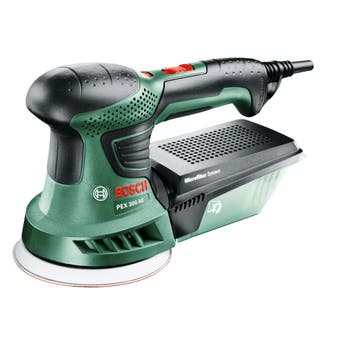
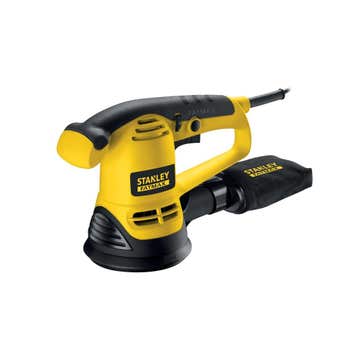
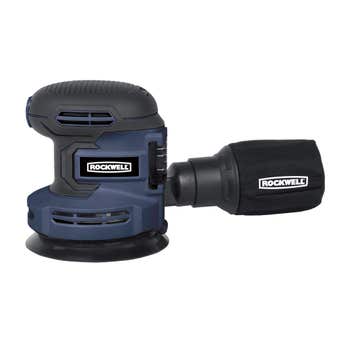
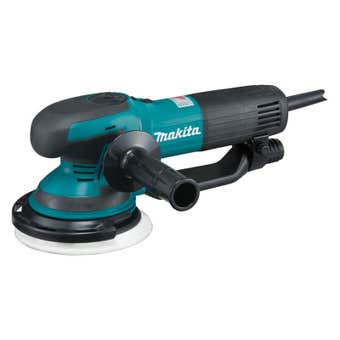
For carpenters and home improvement enthusiasts alike, a quality orbital sander is an essential bit of kit. Nothing shaves time off getting the best result possible like a handheld orbital sander from one of the leading brands in hardware – and you can get yours here with us at Mitre 10!
We stock orbital sanders from a number of world leading brands in hardware, including Bosch, HiKOKI, Makita, Stanley and more. Take a look below, and don’t hesitate to reach out to the team with any questions about getting the right gear for you.
Shop for an orbital sander online or in-store with Mitre 10
The orbital sanders you see here join our belt sanders, palm sanders and more – everything you could need to get your next job or project sorted. For those with a preferred brand, we also offer a number of our cordless orbital sanders to buy as a stand alone skin – saving you money by letting you make use of the batteries you already have on hand.
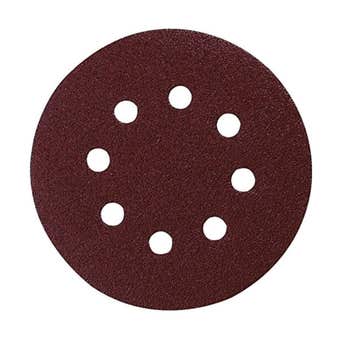
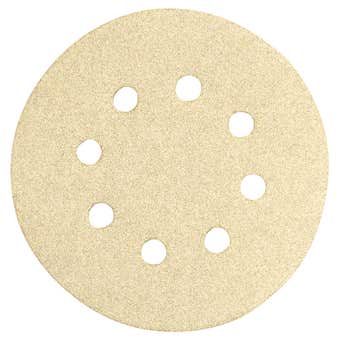
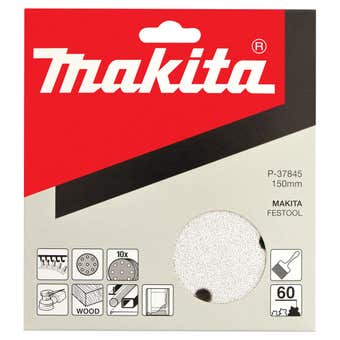
And so you’re never at a loss for where to turn for the gear you need to keep everything ticking along, we stock a complete range of replacement sandpaper and abrasives. Along with replacement adhesive pads and more to ensure that your gear is running the way it should and getting the job done.
Mighty helpful, Mitre 10
Shop in-store or online 24/7 from anywhere in Australia, and take advantage of our convenient buy now, pay later options. Have a poke around here, and don’t hesitate to get in touch if you have any questions – our team is always happy to help. Our everyday low prices mean that you’ll always have a quality option here with us at Mitre 10. To find your nearest store, simply click here.


